Critical care professionals will gather in Chicago for the Society of Critical Care Medicine’s (SCCM) 2026 Critical Care Congress, connecting with colleagues from across the globe and exploring the latest knowledge and research in critical care. Congress attendees will have the opportunity to hear from experts in unique thought leader sessions on topics such as sepsis and shock, providing care in rural Alaska, the importance of nurses, and consulting for an Emmy Award-winning television show.
The Effective Management of Shock: Moving From Physiology to Guidelines to Precision Medicine and Ultimately Personalized Medicine
Sunday, March 22, 2026 | 9:00 a.m. – 9:30 a.m.
 |
Michael R. Pinsky, MD, FAPS, MCCM
Max Harry Weil Honorary Lecture
Professor of Critical Care Medicine, Bioengineering, and Clinical and Translational Science
University of Pittsburgh
Pittsburgh, Pennsylvania, USA
|
Dr. Pinsky became a member of SCCM in 1982. At that time, the Society had a strong focus on applied physiology. Since then, he has seen SCCM evolve while continuing to be a leader in critical care. Many changes over the years involved technology, and AI is sure to continue that trend. In his session, Dr. Pinsky will stress the importance of bedside cardiovascular stabilization.
“With the cumulated understanding of cardiovascular physiology and how it is already being applied in the diagnosis and management of severe sepsis and trauma, more insightful monitoring and thoughtful effective management of patients can occur,” said Dr. Pinsky. “But at no time are these guiding tools and technology support structures a substitute for well-trained and thoughtful bedside clinicians titrating care to the patient’s own responses based on realistic end points of care, compassion, and attention to avoidance of iatrogenic injury.”
The management of shock today is based on guidelines. Dr. Pinsky believes the development of guidelines is the result of efforts to train clinicians from all types of backgrounds and expertise levels to treat critically ill patients. Caring for patients with shock is a constant balance of resources. He believes that this process needs adjustment.
“Circulatory shock is a time-dependent emergency that necessitates precise treatment of the inciting cause while simultaneously supporting organ system function indirectly by specific macrocirculatory support,” Dr. Pinsky said. “These efforts can be done amazingly accurately for each and every patient at all levels of care, from rescue, stabilization, optimization, and de-escalation, often without fanfare and excessive use of technology.”
Dr. Pinsky believes that shock management can be personalized for each patient by addressing the cause. “Personalized medicine is what we do now when we apply precise medicine and see how the patient responds, adjusting dose and treatment according to level of responsiveness and physiologic reserve, not to some generic algorithm,” he said. “Monitoring the individualized response is required, not monitoring what the clinician is comfortable measuring, independent of the patient’s condition. A recurring theme in critical care medicine is overzealous propagation of standardized protocols without confirmatory studies, only to find that the treatments themselves are not the cause of benefit.”
The Max Harry Weil Honorary Lecture is named in honor of Max Harry Weil, MD, PhD, MCCM, the founder and first president of SCCM.
Making Sepsis the Next Success Story in Global Health
Monday, March 23, 2026 | 8:00 a.m. – 8:45 a.m.
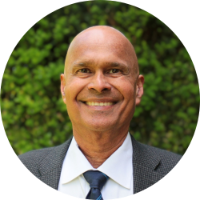 |
Niranjan “Tex” Kissoon, MD, MBBS, FRCP(C), FACPE, MCCM
William C. Shoemaker Honorary Lecture
Professor, Department of Pediatrics
University of British Columbia
Vancouver, British Columbia, Canada
|
One in five deaths worldwide is due to sepsis, and nearly 50 million cases of sepsis are identified each year.
1 “This is a grave public health emergency,” said Dr. Kissoon, president of the Global Sepsis Alliance (GSA) and past president of the World Federation of Pediatric intensive and Critical Care Societies.
“What makes sepsis such a challenging condition is that its symptoms can be subtle,” Dr. Kissoon said. In its early stages, it can resemble other medical conditions. Signs of sepsis become clearer in late stages, but by then it becomes more challenging and expensive to treat. In addition, those who survive sepsis are subject to many physical, cognitive, and sociodemographic challenges as well as post-discharge death. The World Health Assembly identified sepsis as a global health priority in 2017 and adopted a resolution to better diagnose, improve, manage, and prevent sepsis globally.
2 Since then, the evolution of sepsis care and the development of National Action Plans has been patchy at best, according to Dr. Kissoon.
“In high-income countries where there is sophisticated technology and well-equipped ICUs, patients who present with sepsis have a higher chance of survival,” he said. “In lower-income or resource-limited countries where there is late presentation, poorly trained staff, few triage systems, only simple resources such as antimicrobial agents, and lack of oxygen systems, outcomes have been poor. We still need to enact quality improvements in low-resource settings.”
Dr. Kissoon’s session will emphasize why sepsis should matter to the general public as well as healthcare professionals. Everyone is vulnerable to sepsis. Almost half of all estimated sepsis cases worldwide occur in children aged five years or younger.
3
Dr. Kissoon will also discuss the work of the GSA, including World Sepsis Day, recognized annually on September 13. In 2024, the GSA led the development of the 2030 Global Agenda for Sepsis, which seeks to reduce the global incidence of sepsis by at least 25%.
4
“We need to recognize that most sepsis deaths are preventable if recognized early and treated,” he said. “I would like to encourage everyone to join the GSA, follow the Surviving Sepsis Campaign guidelines,
5 and contribute to this fight so that we can make sepsis the next great public health triumph.”
The William C. Shoemaker Honorary Lecture is named in honor of William C. Shoemaker, MD, FACS, MCCM, a founding member of SCCM and its third president. Dr. Shoemaker was also the founding editor of Critical Care Medicine
.
The Power of Nursing: How Nurses Shape What Matters Most
Tuesday, March 24, 2026 | 8:00 a.m. – 8:45 a.m.
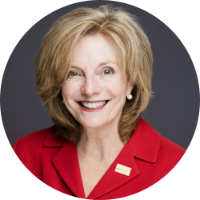 |
Deborah T. Zimmermann, DNP, RN, NEA-BC, FAAN
Norma J. Shoemaker Honorary Lecture
CEO
DAISY Foundation
Anacortes, Washington, USA
|
Dr. Zimmermann champions the vital role nurses play in shaping compassionate, high-quality care and driving meaningful change across healthcare systems. As CEO of the DAISY Foundation and a nationally recognized leader in nursing, she brings a deep commitment to elevating the visibility and influence of nurses from the bedside to the boardroom. In her session, she will explore how nurses shape what matters most through connection, recognition, and purpose.
Dr. Zimmermann will share national insights and frontline experiences that highlight nursing’s impact on outcomes, team culture, and innovation. Attendees will gain practical strategies to inspire others, strengthen human connection, and lead with intention. They will leave with renewed energy and actionable tools to make nursing’s contributions more visible and valued in everyday practice.
The Norma J. Shoemaker Honorary Lecture is named in honor of Norma J. Shoemaker, RN, MN, FCCM, one of SCCM’s first nurse members and its first executive director.
Quality Care Despite Disparities: Lessons From the Alaska Trauma System
Tuesday, March 24, 2026 | 1:30 p.m. – 2:15 p.m.
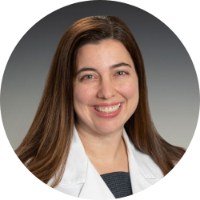 |
Elisha G. Brownson, MD, FACS
Peter Safar Honorary Lecture
General Surgeon, Trauma Medical Director
Alaska Native Tribal Health Consortium
Anchorage, Alaska, USA
|
Organizing trauma care is particularly difficult in rural settings and has even more challenges in a remote mountainous area that is sometimes covered in darkness for 20 hours each day. “Alaska is just so unique,” Dr. Brownson said. “Either you love it and you stay forever, or you hate it and you’re out.” She falls in the “love it” category, having grown up in the state and practiced medicine there since 2016.
“There’s this great resiliency. It’s pretty amazing the level people are willing to be on their own,” she said. “There’s a genuine sense of self-sustainability and willingness to take on the elements.” These elements, however, can be challenging when critical care is needed. Many of Dr. Brownson’s patients live in extremely remote areas. More than 3300 rural homes in Alaska lack running water.
6 “If I’m dealing with surgical patients and burns, and I’m trying to send a patient back to deal with their wounds, that’s something I have to really consider,” she said.
“There are a lot of socioeconomic barriers that we deal with as well.” To help offset these challenges, Dr. Brownson strives to get to know her patients and hear their stories and experiences. She wants to know what makes them who they are, allowing her to understand their values and help her develop care plans. She also sees her role as a teacher, developing systems among other treatment facilities so that care can be provided closer to home when possible.
“Instead of just saying to an outside facility, ‘Yes, bring them here,’ I think the challenge is how do I build out and coach the people sending patients to me?” she said. “In trauma and burns, those first hours are so critical. How do I build the system so that the first person who interacts with the patient has the knowledge and the necessary tools?”
In her session, Dr. Brownson will explain how she answers that question while also emphasizing the need for more healthcare workers in remote settings, including primary care physicians, among others. “We also need specialists and advanced practice providers,” she said. “I’m not at an academic high-level research institution, but I’m making a lot of impact in my community, and we need more of that. We need other people who are willing to do critical care in more rural and remote areas.”
The Peter Safar Honorary Lecture is named in honor of Peter Safar, MD, MCCM, the second SCCM president.
Register for the 2026 Critical Care Congress to attend these sessions and more!
References:
- Rudd KE, Johnson SC, Agesa KM, et al. Global, regional, and national sepsis incidence and mortality, 1990-2017: analysis for the global burden of disease study. Lancet. 2020 Jan 18;395(10219):200-211.
- Seventh World Health Assembly. Agenda item 12.2 Improving the prevention, diagnosis and clinical management of sepsis. May 29, 2017. Accessed October 9, 2025. https://apps.who.int/gb/ebwha/pdf_files/wha70/a70_r7-en.pdf
- World Health Organization. Global report on the epidemiology and burden of sepsis. September 9, 2020. Accessed September 30, 2025. https://www.who.int/publications/i/item/9789240010789
- Global Sepsis Alliance. The 2030 global agenda for sepsis. Accessed September 30, 2025. https://globalsepsisalliance.org/2030-global-agenda-for-sepsis
- Society of Critical Care Medicine. Surviving Sepsis Campaign. Accessed September 30, 2025. https://www.sccm.org/survivingsepsiscampaign
- Alaska Department of Environmental Conservation. Division of Water. Alaska water and sewer challenge. Last updated August 27, 2023. Accessed October 9, 2025. https://dec.alaska.gov/water/water-sewer-challenge/