SCCM partnered with Gansu Provincial Maternity and Child Care Hospital to deliver the Fundamental Critical Care Support: Obstetrics course in China.
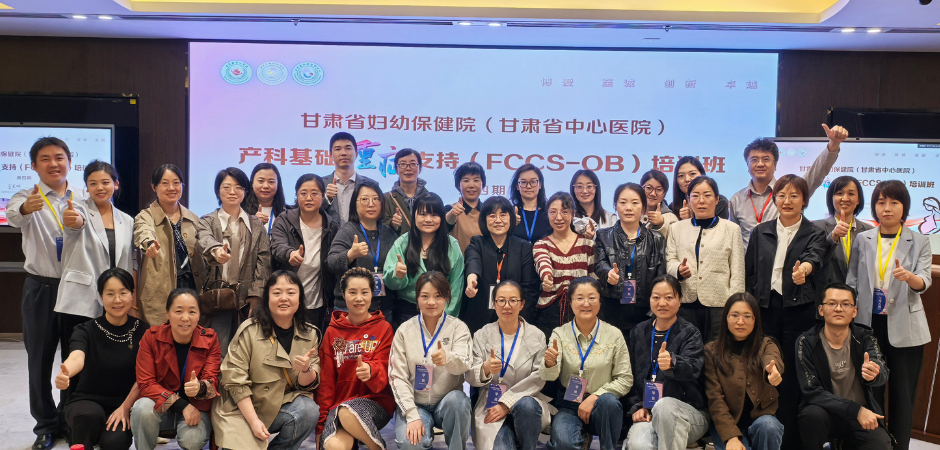
From April 18 to 19, 2026, Gansu Provincial Maternity and Child Care Hospital (Gansu Central Hospital) hosted a Fundamental Critical Care Support (FCCS): Obstetrics training course. The goal was to enhance the clinical reasoning and hands-on skills of medical staff in obstetric critical care, thereby improving maternal and neonatal outcomes.
Intensivists and OB/GYNs Learn Side by Side for Perfect Collaboration
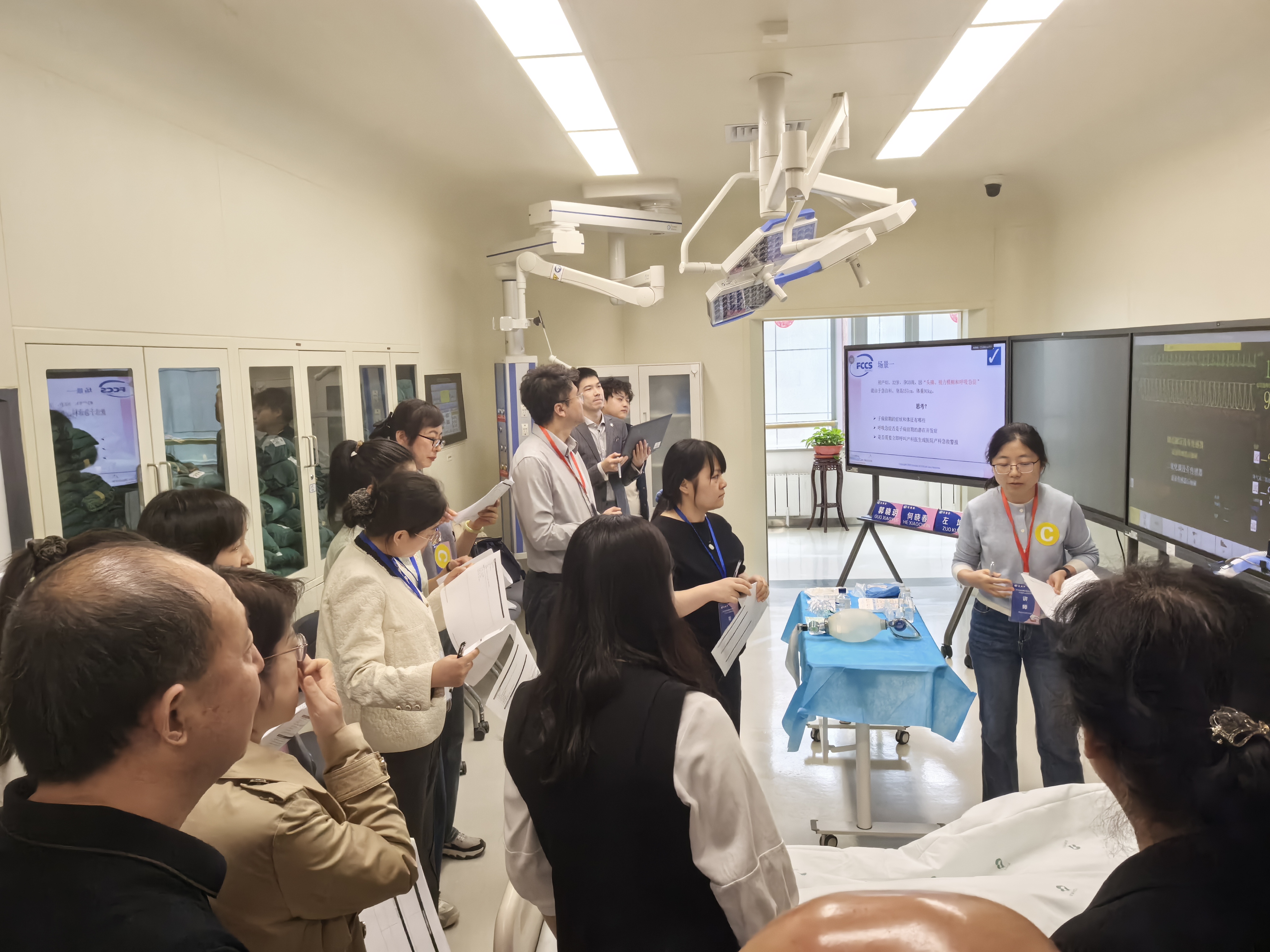
A total of 36 participants from across China attended the course, half of whom were obstetricians/gynecologists (OB/GYNs) and the other half were intensivists. Intensivists often lack a full understanding of the physiological changes that occur during pregnancy and therefore need knowledge of obstetrics. On the other hand, OB/GYNs need to strengthen their critical care thinking in order to promptly identify critically ill patients and save maternal lives and health. By bringing participants from both specialties together in the FCCS: Obstetrics course—and having them work jointly through interactive skill stations—the training created a valuable opportunity for interdisciplinary learning and communication.
Participants widely agreed that bringing obstetricians and intensivists together in the same classroom helped break down traditional disciplinary barriers. During the skill stations and case discussions, participants from both specialties were able to contribute knowledge from their own clinical perspectives, complement each other's decision-making in real time, and develop an efficient multidisciplinary team dynamic. This "two-way learning" model not only improved the speed and accuracy of team responses to critically ill pregnant patients, but also significantly boosted clinical confidence and outcomes.
Instructor Training Held Before the Learner Course
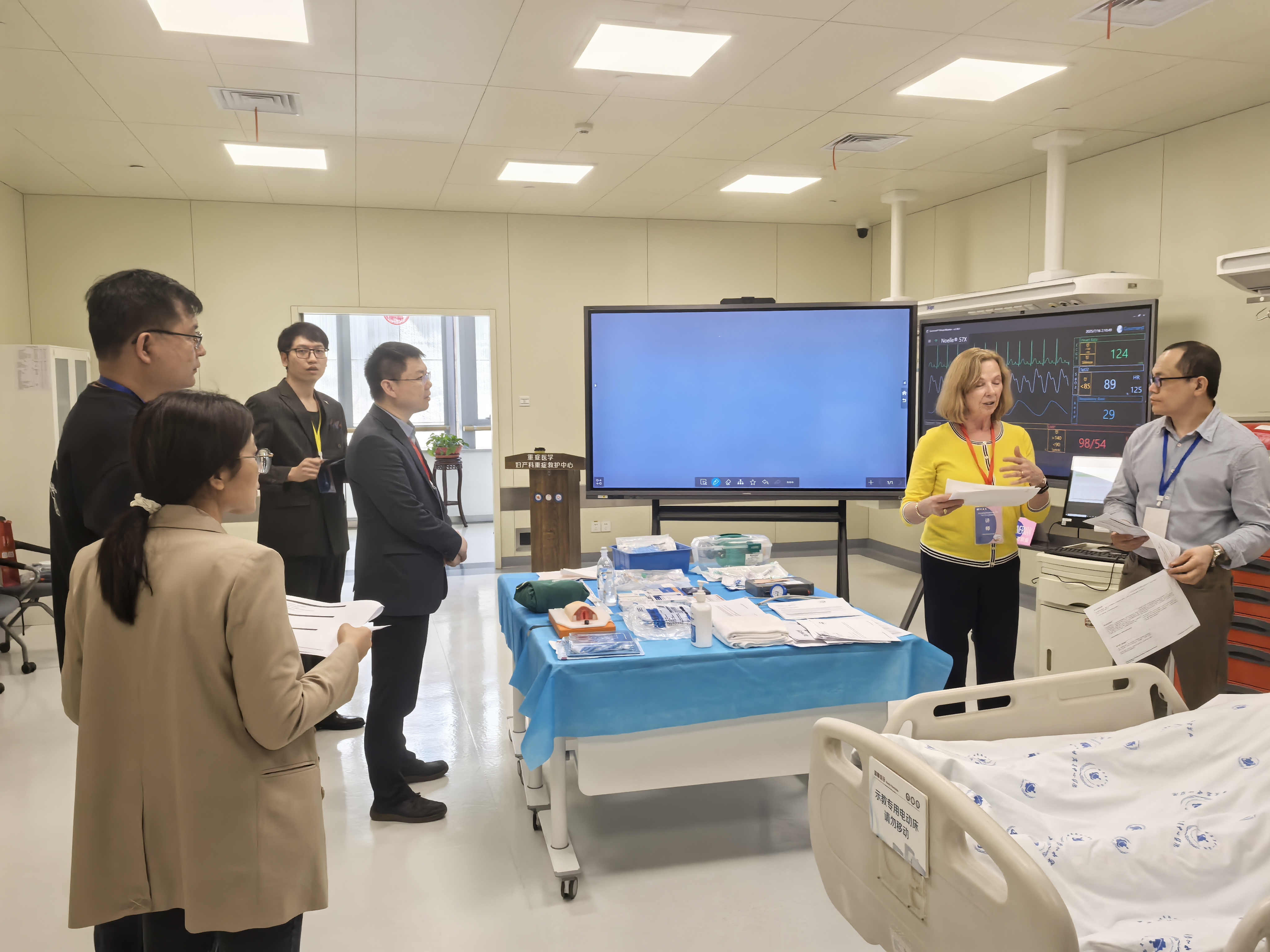
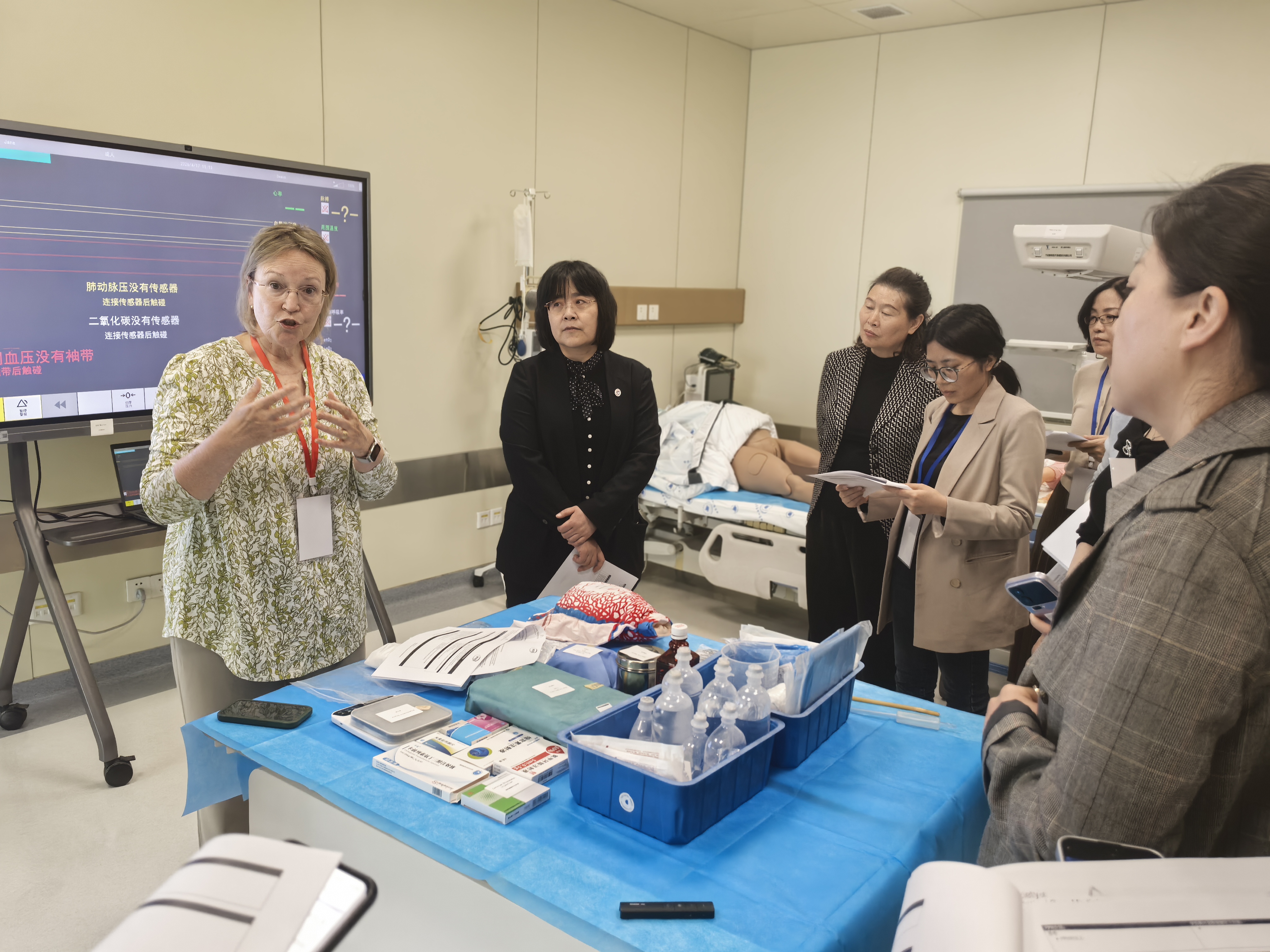
The day before the learner course, the hospital organized a full-day instructor training workshop. Two Society of Critical Care Medicine (SCCM) course consultants from the United States—Janice L. Zimmerman, MD, MACP, FRCP, MCCM, and Mary Jane Reed, MD, FACS, FCCP, FCCM—taught the session in person. Although the local instructors are experienced physicians and educators from across China, they need to understand SCCM’s course objectives and teaching methods to achieve the expected educational outcomes and truly benefit the learners. Through the teaching of these two professors, the participants gained first-hand experience of SCCM's unique instructional approach. The instructor course also served as a practical rehearsal for teachings of the learner course the next day.
Participants praised that the case-driven skill stations and the opportunity to collaborate with the international faculty were especially valuable. One instructor candidate noted that strategies for handling difficult learners would fundamentally change her teaching approach.
The following day, the learner course was marked by a strong academic atmosphere and active interaction between faculty and participants. Faculty provided thorough guidance, while participants were fully engaged, thus solidifying their knowledge through the lecture sessions and broadening their clinical thinking through interactive simulated skill sessions. The course achieved excellent results.
Looking Ahead: Expanding Training to More Hospitals
Fifteen faculty members from all over China became instructor candidates. Some expressed that they will bring the course to their own hospital. Since its launch in China in 2025, the course has trained over 220 learners nationwide.
Professor Guo Hong, ICU Director from Gansu Provincial Maternity and Child Care Hospital, observed that “by introducing this global standardized obstetric critical care training, the course helps our hospital at all levels to improve early recognition, standardized management, and comprehensive care for high-risk pregnant patients. The program breaks down silos between obstetrics, critical care, anesthesiology, nursing, and other specialties, trains healthcare providers with skills and teamwork spirit, and builds a strong foundation for regional maternal safety networks.”
Professor Gan Quan, the initiator of the FCCS: Obstetrics course in China, commented that “through a structured, replicable training model, the course addresses gaps in frontline care, reinforcing maternal safety at the grassroots level and across the entire care continuum. We will continue to spread these important knowledge and skills to help more colleagues and patients.”