


Crisis Response

SCCM assists the critical care community during disasters and emergencies by providing resources and updates.

visual bubble
visual bubble
visual bubble
visual bubble

The Society of Critical Care Medicine (SCCM) monitors current events and regularly activates its crisis response plan. The plan includes releasing complimentary education and resources to help clinicians treat critically ill and injured patients, respond to patient surges, and implement resource allocation strategies. Materials are specific to the emergency at hand, including hurricanes, earthquakes, terrorist attacks, and other man-made and natural disasters.

Current Response Efforts

Middle East Military Conflict

Middle East Military Conflict

Please contact emergency@sccm.org if you have any information or on-the-ground reporting to help SCCM assess the situation.

  • What medications or medical supplies are most urgently needed?
  • What injury patterns are you seeing (e.g., blast, burn, crush, inhalation)?
  • Which hospitals or regions have the most urgent gaps (ICU beds, oxygen, blood products, ventilators, burn supplies)?

Crisis Response Resources

The Society offers several always-free educational resources that may be helpful during a crisis.

Calls for Volunteers

SCCM recruits volunteer critical care clinicians to respond to emergency situations of all kinds. A request to organize a call for volunteers must be made by a governmental agent with medical licensure clearance authority.

Ongoing Support 

SCCM’s work often begins with crisis response that frequently evolves into long-term collaboration, training, and education that continues to improve patient outcomes.
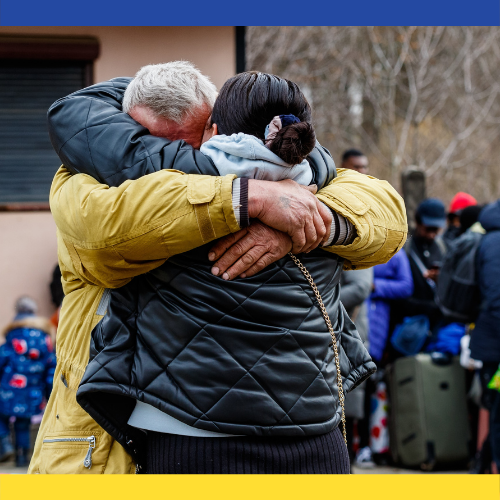
Ukraine Response

Ukraine Response

Learn about SCCM's response to those impacted by the humanitarian crisis in Ukraine.
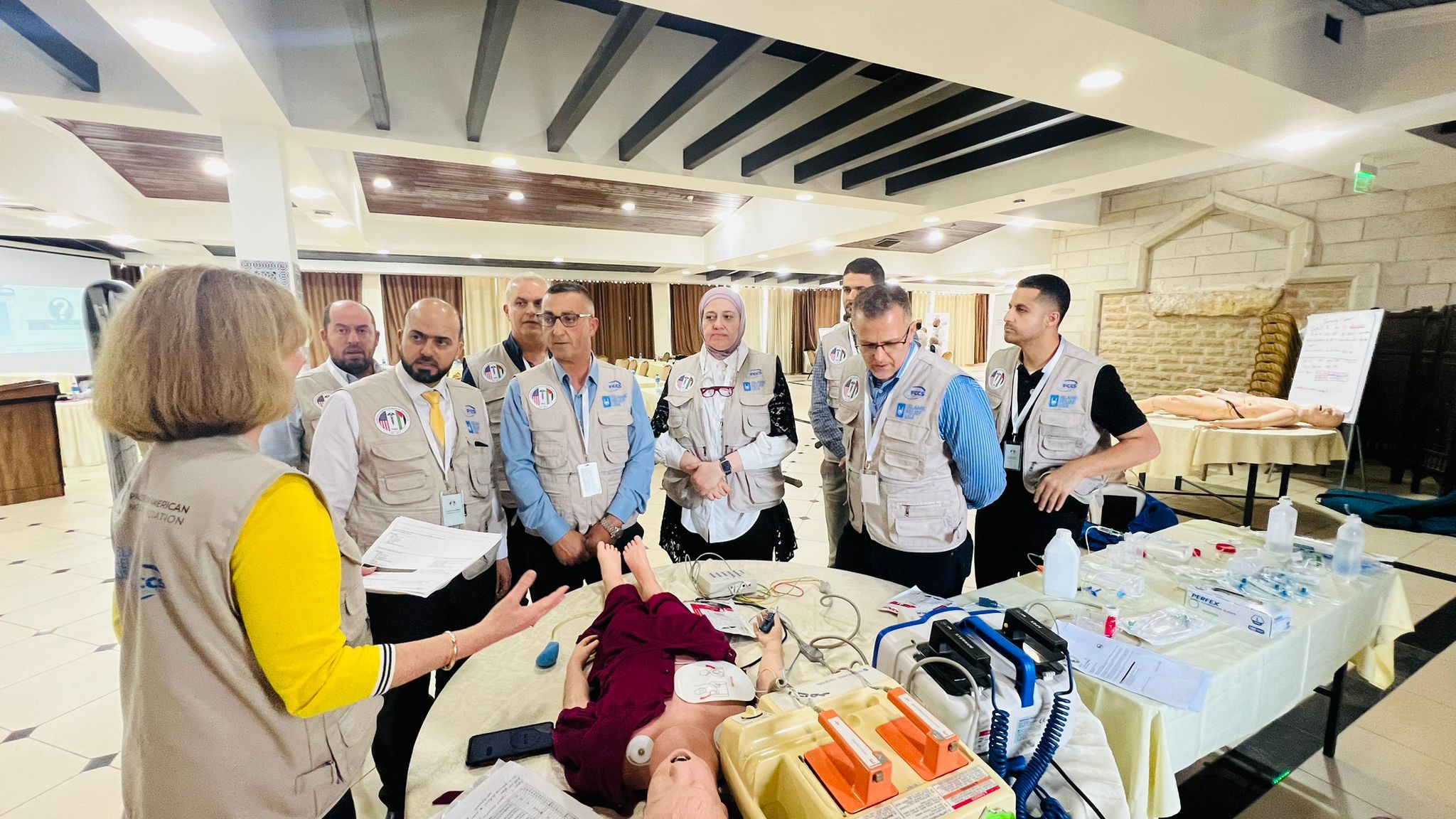
Isreal-Palestine Response

Isreal-Palestine Response

Learn about SCCM's response to those impacted by the humanitarian crisis in Israel, Gaza, and the West Bank.

Past Crisis Response Efforts

^